Best Kids Sleeping Bags
Published June 12, 2026 · Updated June 15, 2026
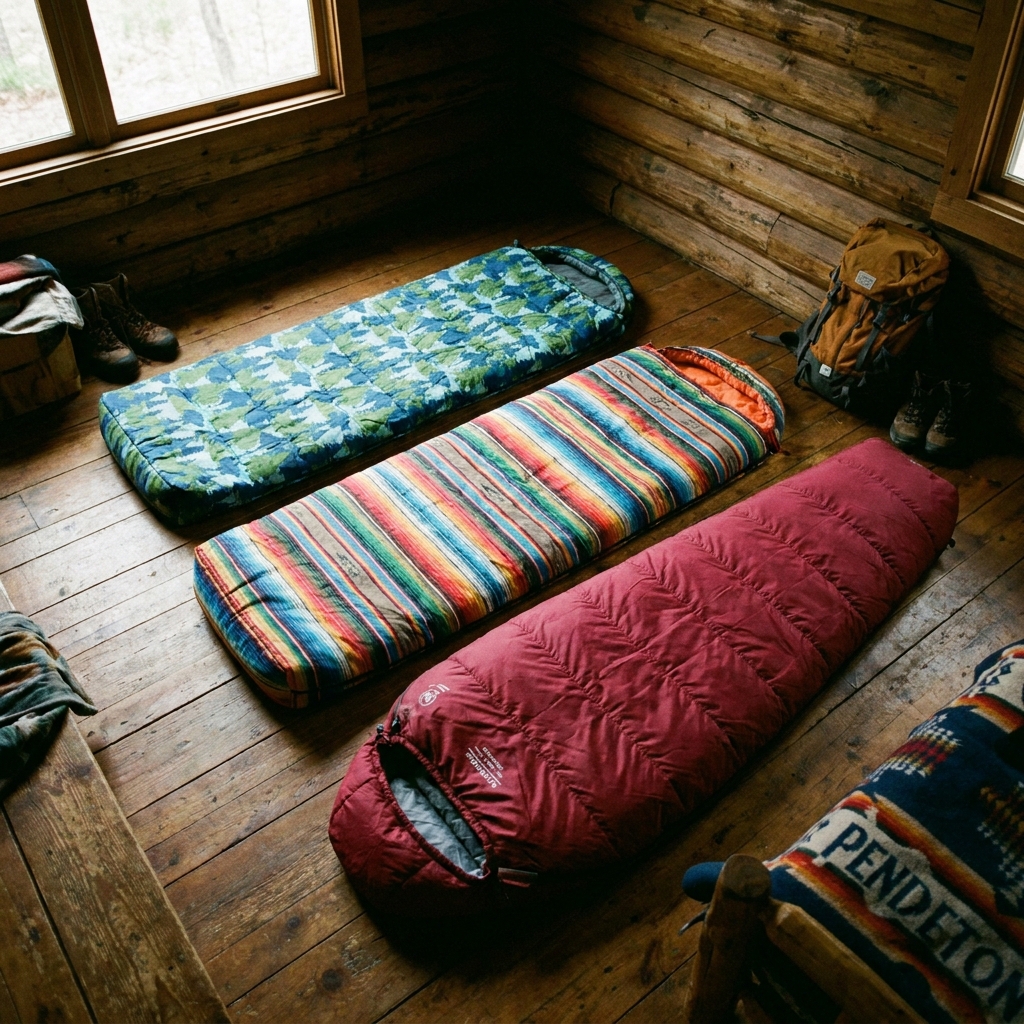
Open any camping gear list and it'll shove a mummy bag at you. And it's not wrong — for a backpacker counting ounces or a Scout heading out into a cold night, the mummy's snug, hooded shape is genuinely warmer and packs down smaller. There's a good reason people push them. Just not this reason. For a family loading up the car for a first weekend out, a mummy is usually the wrong first bag for a kid: it's tight, plenty of kids hate the cooped-up feeling, and you don't need sub-freezing warmth in July. So two of our three picks are roomy rectangular bags — easy in, easy out, comfortable for a kid who sleeps sideways and kicks. The third is a mummy, on purpose: for the kid who's ready to camp colder, that snug shape is exactly the point. All three are sized for kids, wash in your machine when the s'mores inevitably happen, and come in under $60.
Our picks
Coleman Kids 50°F
This is the beginner bag — and that's the whole point, because beginners are exactly who this page is for. Roomy rectangular shape so a wiggly kid isn't boxed in, unzips flat into a blanket for the car or cabin, fits kids to about five feet, usually a glow-in-the-dark panel for the 2 a.m. bathroom run, and it goes straight in the wash. Two honest notes: it's a warm-weather bag (50°F means summer nights, not cold snaps), and it's on the heavy side — but you're putting it in the trunk, not on your back, so the weight is a non-issue for car camping. Here's the quiet tell, though: scroll the reviews on the flashier, higher-rated kids' bags and you'll hit a steady drumbeat of "sent it back" — wrong size, busted zipper, colder than promised. The Coleman doesn't have that pattern. It's not the highest-rated bag here; it's the one that shows up, works, and stays bought. For a nervous first purchase, that's worth more than a star.
View on Amazon →TETON Sports Celsius Junior 20°F
The do-it-all family pick, and the one most kids should start with. It's rectangular — the roomy, easy shape first-timers want — but warmer and tougher than the Coleman: a flannel lining, double-layer construction, and a lifetime warranty that'll outlast a couple of kids. It runs long on purpose, so it grows with them instead of getting outgrown in a season, and it unzips flat into a blanket for the cabin or the couch. Be honest about the number, though: that "20°F" is a survive rating, not a cozy one — figure genuinely comfortable down into the 40s, which happens to cover the vast majority of family camping, spring through fall.
View on Amazon →Kelty Mistral Kids 20°F
This is the mummy — and we picked it specifically because it fixes the thing kids hate about mummies. The usual knock is that the tapered shape pins your feet and you can't move; this one's built with a roomier, natural-fit footbox, so a kid can still kick and wiggle their toes down at the bottom. That gets you the best of both: it hugs close enough to be the warmest and most packable of the three (less empty air for a small body to heat) without feeling like a straitjacket where kids notice it most. CloudLoft synthetic fill means it shrugs off damp and washes like the others. It's still a mummy — there's a hood, and a kid who truly can't stand snug bags will know it — but for the camper who's graduated past warm summer nights, this is the one that earns the "everyone pushes mummy bags" reputation without the cooped-up feet.
View on Amazon →How to choose
Three questions sort this out fast. (Want the full version? We go deep in how to choose a sleeping bag.)
The temperature number lies a little. That rating on the tag — 20°F, 50°F — is the point at which an average sleeper won't get dangerously cold, not the point where they'll sleep comfortably. The real comfort zone is usually 15–25 degrees warmer than the number. So buy a buffer, and round down hard for kids, who lose heat faster than adults. A "20°F" kid's bag is a comfortable 3-season bag, not a winter bag.
Shape is the mummy-or-rectangular call. Rectangular bags are roomy, easy to get in and out of, and unzip flat — the right call for most kids and for car camping, where you're not carrying the thing on your back. Mummy bags are warmer and pack smaller because there's less air to heat, but they're snug and hooded, and not every kid likes that. Match the shape to the trip and the kid, not to what the gear blogs say.
Size matters more than you'd think. A bag heats the air inside it, so a kid drowning in an oversized adult bag actually sleeps colder — all that empty space steals their warmth. A kid-sized bag (or one that runs long but still fits, like the Teton) keeps them warm and isn't a tripping hazard. If you do hand a child an adult bag, stuff the foot with clothing to take up the slack.
All three of our picks use synthetic fill, which is the right answer for kids: it's cheaper than down, it washes without drama, and — crucially — it stays warm even when it gets damp, which kids' bags reliably do.
Common questions
Dragonfly Supply is reader-supported. When you buy through links on our site, we may earn an affiliate commission — at no extra cost to you. We only recommend gear we'd actually pack.